






|
(March 8, 2010 - Insidermedicine)
Increasing the price of junk food may make it less tempting, according to research published in the Archives of Internal Medicine.
Here are some dietary recommendations to make to patients, based on U.S. Dietary Guidelines:
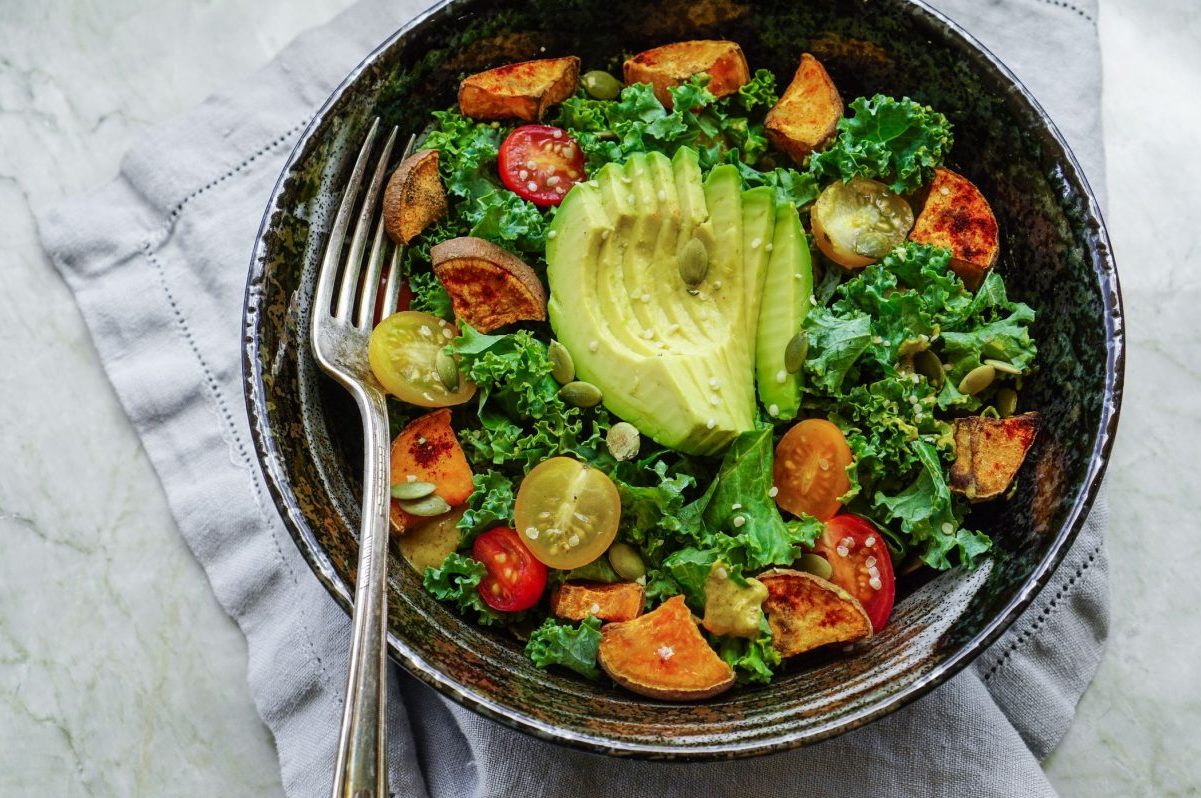
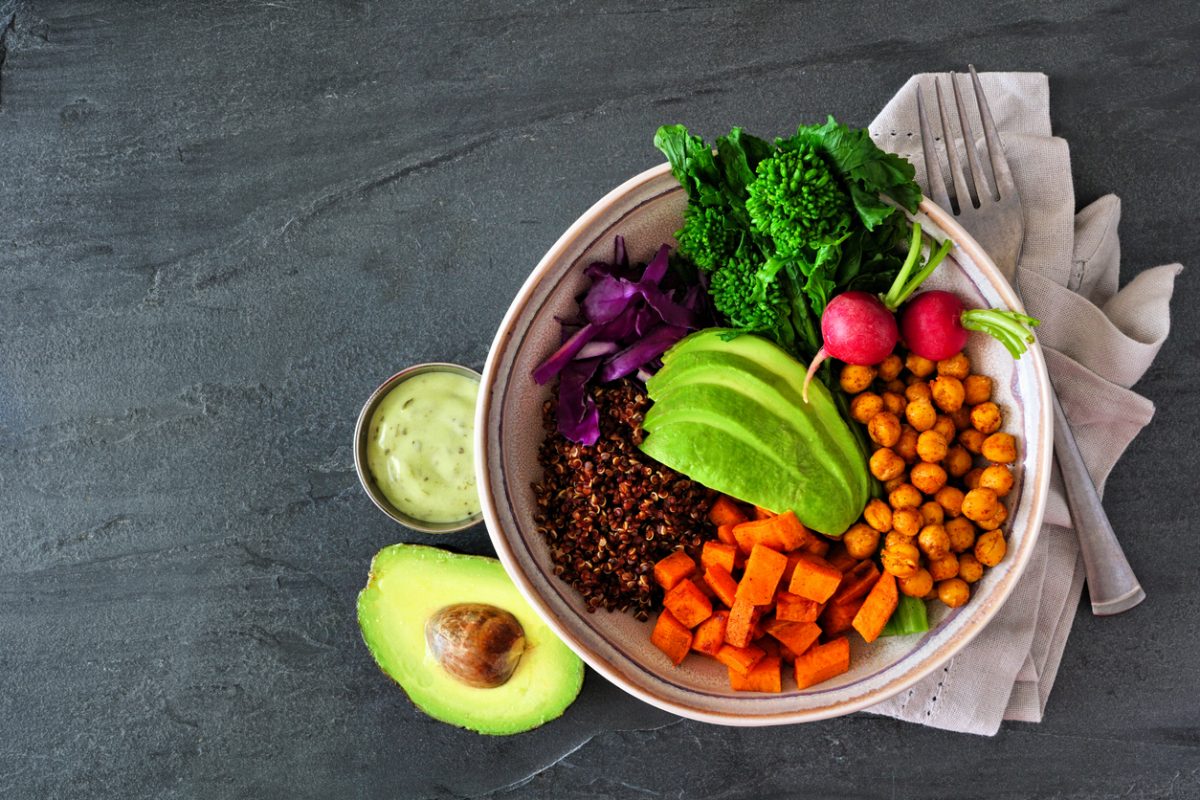
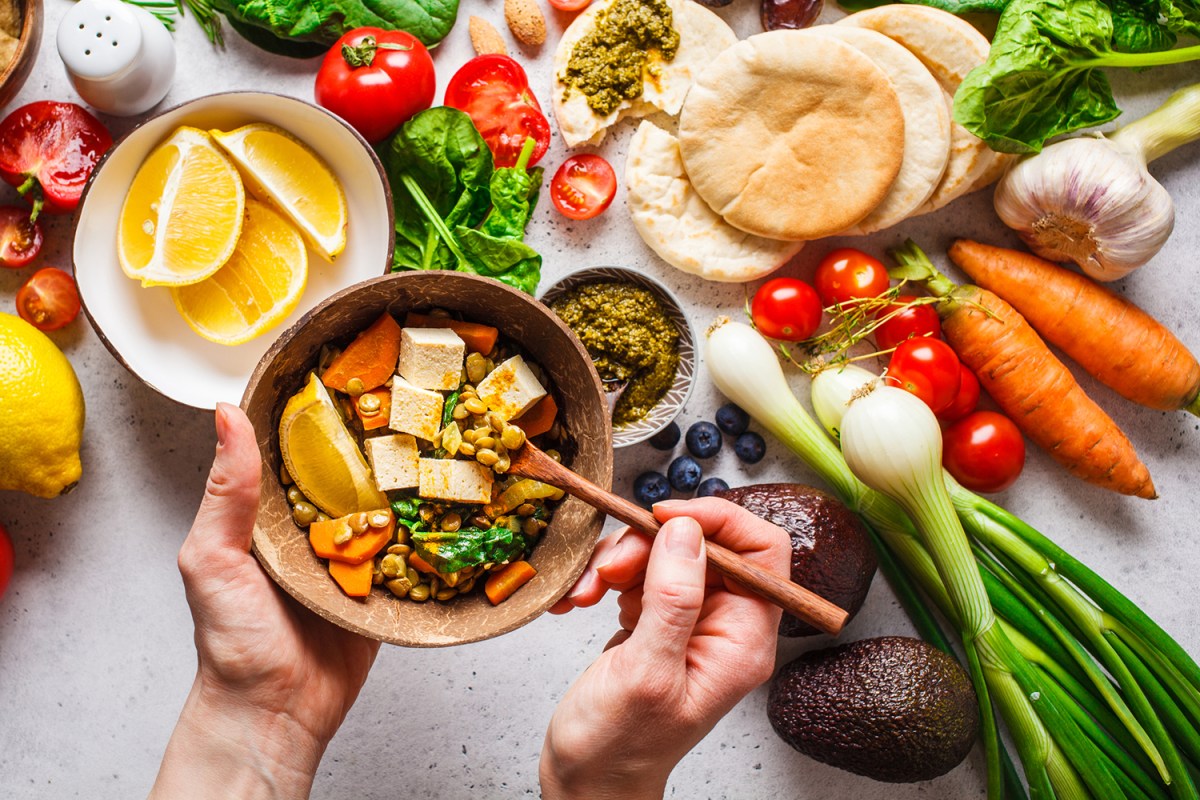
• Emphasize fruit, vegetables, whole grains, and fat-free or low-fat dairy products
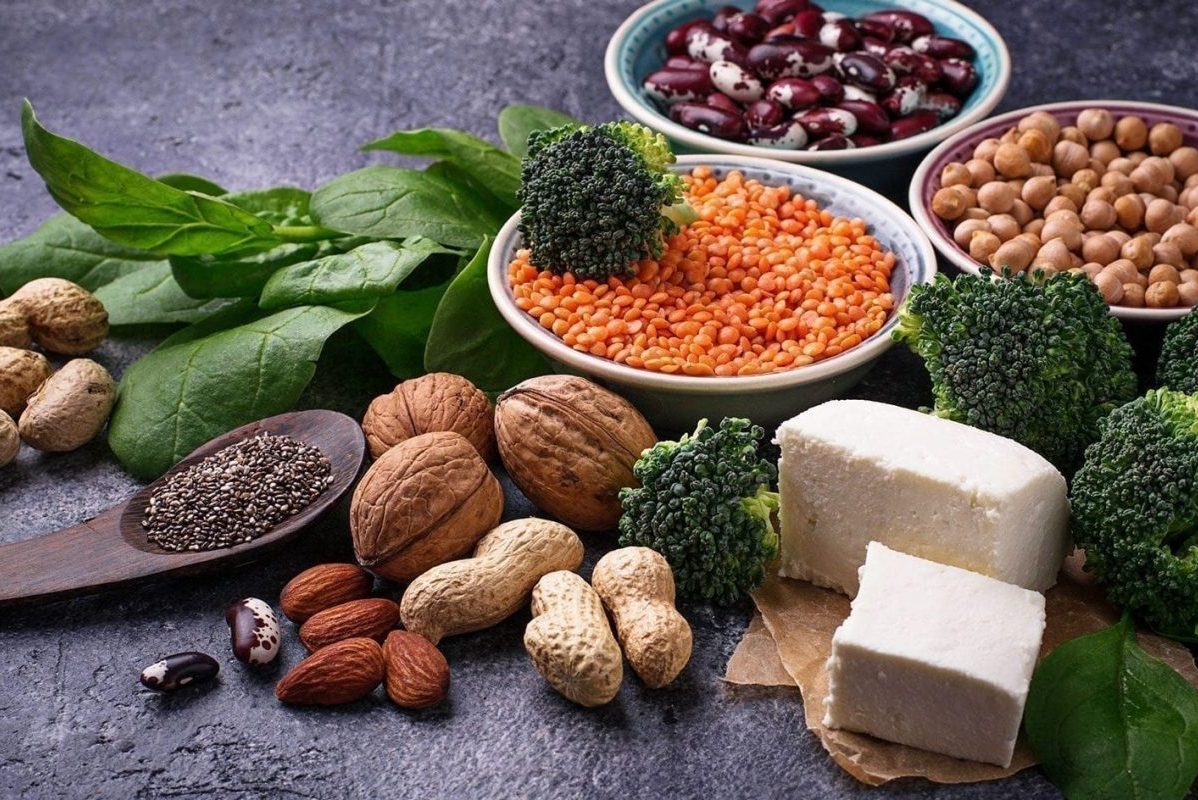
• Include lean meats, poultry, fish, beans, eggs, and nuts
• Limit saturated fats, trans fats, cholesterol, salt (sodium) and sugar
Researchers out of the University of North Carolina at Chapel Hill assessed the dietary habits of 5,115 adults aged 18 to 30, starting in 1985-1986 and continuing through to 2005-2006. The investigators then analyzed these results against food prices during the same time period.
As the price of soda and pizza increased, daily caloric intake amongst participants from these foods decreased. A one dollar increase in the cost of soda or pizza was associated with a lower overall daily caloric intake as well as lower body weight and reduced insulin resistance. A one dollar increase in both these foods was associated with even greater reductions in these endpoints. The authors estimate that an 18% tax on these foods alone would result in an average of 56 fewer calories consumed per day, a weight loss of approximately 5 lbs per person per year, and corresponding reductions in obesity-related diseases.
Today's research suggests that artificially manipulating the price of unhealthy food might help individuals make more healthy food choices.
|