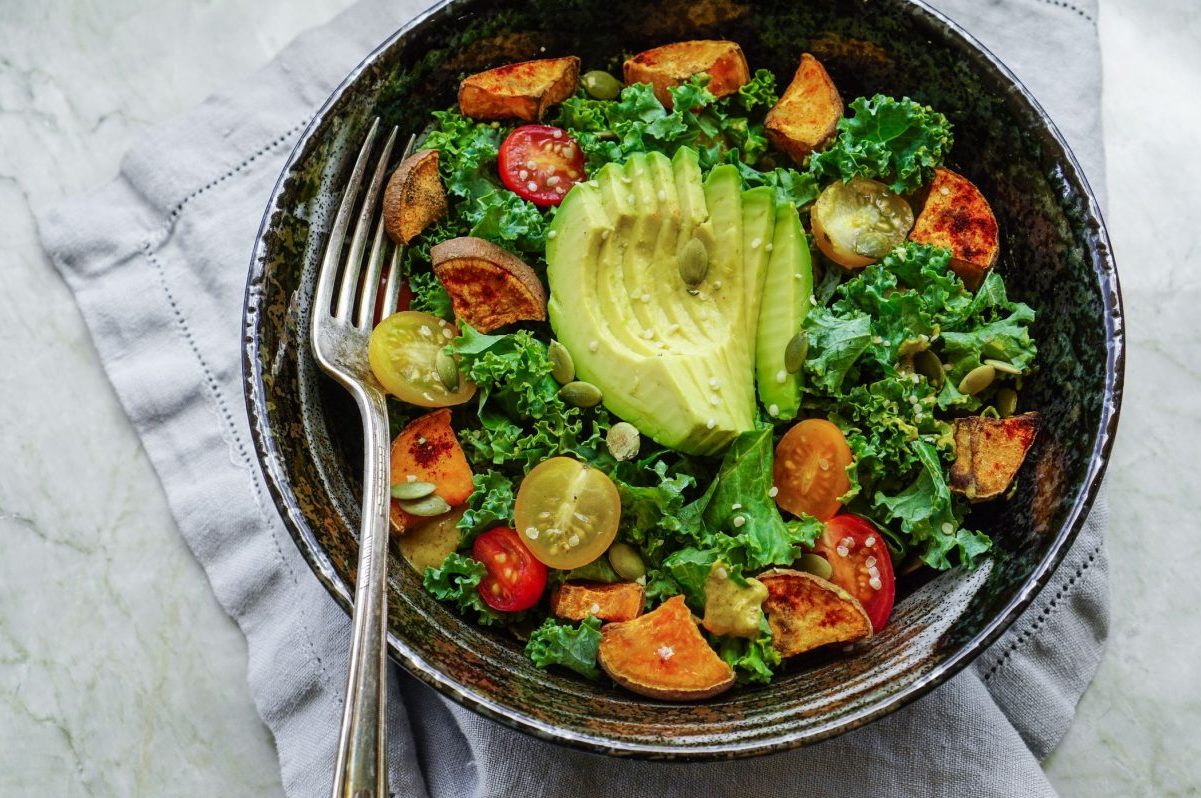
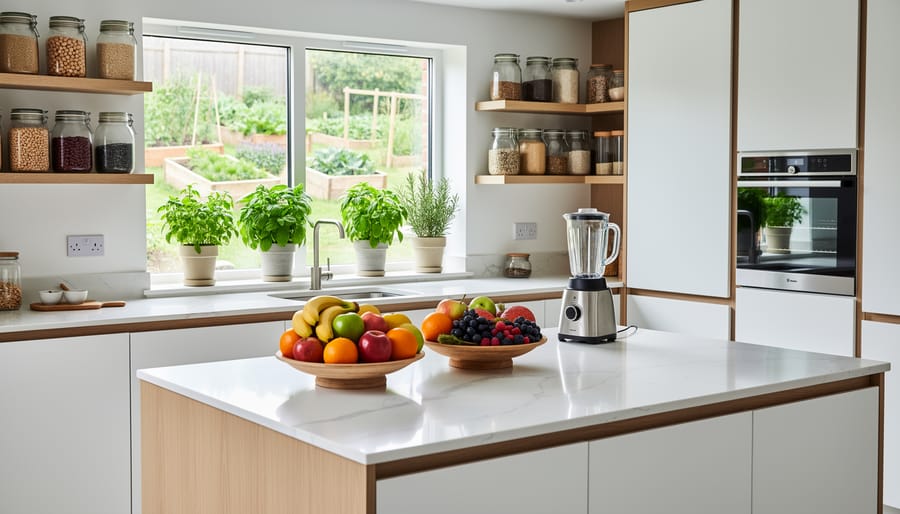
Transform your kitchen into a plant-based showcase before listing your property to attract the growing demographic of health-conscious UK homebuyers. When you sell your house fast UK, targeting wellness-focused buyers can differentiate your property in competitive markets where sustainable living increasingly influences purchasing decisions.
Stage your kitchen with visible plant-based elements including fresh fruit bowls, herb gardens on windowsills, and replace any visible processed foods with whole grains and legumes in open shelving. Research shows that 14% of UK adults now identify as vegan or vegetarian, representing a substantial buyer segment that responds positively to homes reflecting their values. Install or highlight energy-efficient appliances that support plant-based meal preparation, such as high-powered blenders, food processors, and steam ovens, as these features appeal to buyers prioritizing nutritional cooking methods.
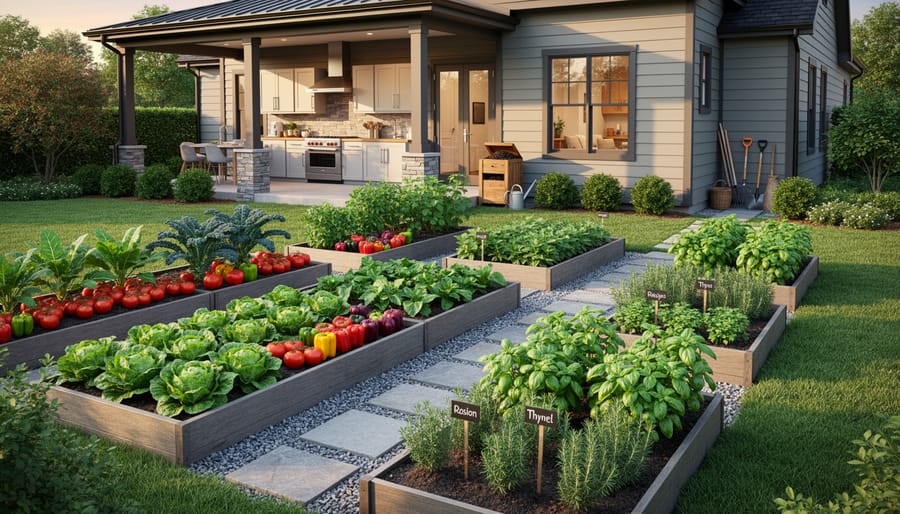
Create an outdoor edible garden space, even compact areas, featuring easy-to-maintain vegetables like tomatoes, lettuce, and courgettes alongside culinary herbs. This demonstrates the property’s potential for sustainable food production, a selling point that resonates with environmentally conscious purchasers seeking reduced carbon footprints through local food growing.
Document your home’s proximity to health food stores, farmers markets, and plant-based restaurants in marketing materials, as location amenities significantly influence buyer decisions. Highlight nearby green spaces suitable for active lifestyles, connecting your property to the broader wellness narrative that plant-based buyers embrace.
This strategic approach acknowledges that while your dietary choices don’t directly sell properties, thoughtfully presenting your home to align with the values of health-focused demographics creates genuine marketing advantages in today’s UK property market.
The Rising Tide of Health-Conscious UK Homebuyers
The United Kingdom is experiencing a remarkable transformation in dietary preferences, with plant-based living becoming a significant lifestyle movement that extends well beyond the dinner plate. Recent data from the Vegan Society indicates that the number of vegans in Britain has quadrupled over the past five years, reaching approximately 1.5 million people. When combined with vegetarians and flexitarians, this represents over 14 million UK residents actively reducing animal product consumption, a demographic shift with substantial implications for the housing market.
What makes this trend particularly relevant to property sellers is the socioeconomic profile of those embracing plant-based lifestyle transition. Research from Mintel demonstrates that plant-based consumers tend to fall within higher income brackets, with 42% earning above the national median wage. This purchasing power translates directly into housing market influence, as these buyers often prioritize specific home features that align with their values.
The connection between diet and home preferences isn’t arbitrary. Individuals committed to health-conscious living typically seek environments that support their wellness goals holistically. They’re drawn to properties featuring modern, well-equipped kitchens with ample preparation space for fresh produce, quality ventilation systems, and sufficient storage for whole foods and plant-based ingredients. Garden spaces for growing herbs and vegetables hold particular appeal, as does proximity to farmers’ markets and organic food retailers.
Furthermore, this demographic demonstrates heightened environmental awareness, often seeking energy-efficient homes with sustainable features. Properties showcasing natural light, air quality considerations, and chemical-free finishes resonate strongly with these buyers. Understanding this connection allows sellers to position their homes strategically, highlighting features that align with the values of this growing, financially capable market segment. The evidence suggests that as plant-based living continues its upward trajectory in the UK, homes catering to these preferences may enjoy distinct advantages in attracting motivated, qualified buyers.
Your Kitchen: The Plant-Based Showcase That Attracts Buyers
Strategic Staging for Health-Forward Living
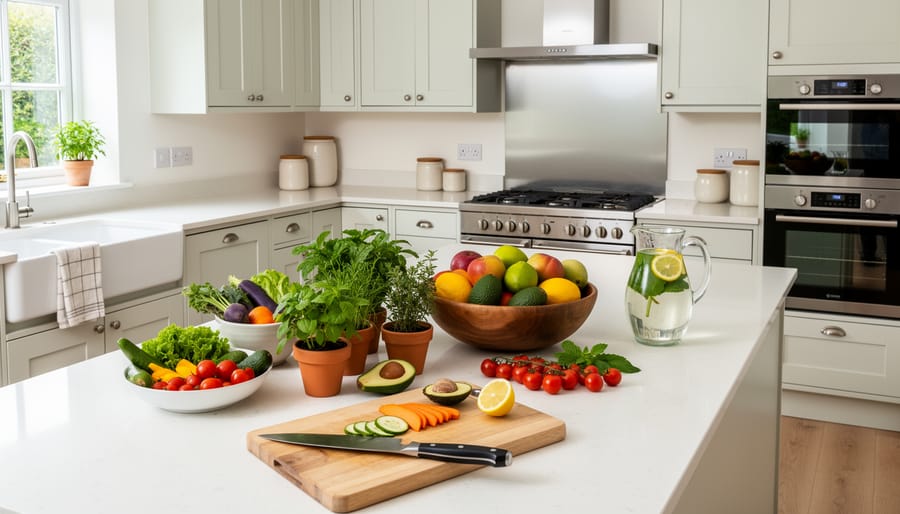
When staging your home for health-conscious buyers, the kitchen becomes a powerful storytelling space. Rather than emptying worktops completely, strategically display items that communicate wellness without appearing contrived or preachy.
Place a simple wooden bowl filled with seasonal British produce on your kitchen island—think heritage tomatoes, crisp apples, or vibrant root vegetables. This creates visual warmth whilst subtly signaling fresh, whole-food priorities. Keep your display modest; three to five items appear intentional, whilst excessive arrangements feel staged.
Your pantry presentation matters equally. If viewings include opened cupboards, organize shelves with attractive glass jars containing wholegrains, pulses, and legumes. These plant-based nutrition essentials serve dual purposes: they demonstrate organizational skills and suggest a thoughtful approach to nutrition. However, avoid overwhelming shelves entirely with specialty items that might alienate traditional buyers.
Consider the evidence-based benefits of visible fresh herbs. A small windowsill collection of basil, parsley, or mint adds life to the space whilst remaining universally appealing. Research indicates that indoor plants improve air quality and create psychological benefits, making them practical staging tools beyond dietary messaging.
Balance remains crucial. Whilst displaying quality plant-based products, ensure your kitchen doesn’t appear overly specialized. Include neutral items like quality olive oil, sea salt, and everyday tea selections. This approach creates an aspirational yet accessible image—one that suggests health-forward living without implying rigid dietary restrictions.
Remember that successful staging communicates possibility rather than prescription. Your goal isn’t converting buyers to plant-based eating but rather demonstrating that your home supports various lifestyle choices, with wellness as an attractive, achievable component.
Highlighting Modern Kitchen Features Health Buyers Crave
When marketing your property to health-conscious buyers, particularly those following plant-based lifestyles, the kitchen becomes your strongest selling point. Research consistently demonstrates that individuals committed to plant-based nutrition invest significant time in healthy meal preparation, making specific kitchen features particularly valuable.
Start by highlighting any high-powered appliances ideal for plant-based cooking. If your kitchen includes a quality blender capable of creating smoothies, nut milks, or vegetable purees, mention this during viewings. Similarly, draw attention to food processors that facilitate chopping vegetables, making hummus, or preparing plant-based patties. These appliances represent significant investments that appeal to buyers prioritizing whole food preparation.
Spacious countertops deserve special emphasis. Plant-based cooking often involves multiple ingredients simultaneously—chopping various vegetables, soaking legumes, and preparing grains. During viewings, demonstrate the available workspace by mentioning how the surface area accommodates extensive meal preparation without crowding.
Natural lighting transforms kitchen appeal for health-focused buyers. Position viewings during daylight hours when possible, allowing prospective buyers to appreciate how sunlight illuminates workspace areas. Natural light not only reduces energy consumption but also creates an inviting atmosphere that encourages creative cooking.
Storage solutions matter considerably. Showcase pantry spaces suitable for bulk grains, pulses, nuts, and seeds that form the foundation of plant-based diets. Deep drawers for storing fresh produce and dedicated areas for appliances demonstrate thoughtful kitchen design.
When preparing for viewings, consider placing a fruit bowl with colourful seasonal produce on countertops or arranging cookbooks focused on plant-based cuisine on visible shelving. These subtle touches help buyers envision their lifestyle within your space, creating emotional connections that facilitate successful property transactions.
Garden and Outdoor Spaces That Signal Healthy Living
Creating a thriving outdoor space that showcases healthy living can significantly enhance your property’s appeal to health-conscious buyers in the UK market. With growing awareness of nutrition and environmental sustainability, gardens that facilitate plant-based living represent both a practical amenity and a lifestyle statement that resonates with an expanding demographic.
A well-maintained herb garden immediately signals commitment to fresh, wholesome nutrition. Consider dedicating a visible area near the kitchen for culinary herbs such as basil, coriander, parsley, and mint. These low-maintenance plants demonstrate how easily buyers can incorporate fresh ingredients into their daily cooking, supporting a transition towards more plant-based meals. In the UK climate, hardy herbs like rosemary, thyme, and sage thrive year-round, making them excellent permanent features.
Vegetable patches offer even greater appeal, particularly when positioned to maximise sunlight exposure. Raised beds constructed from sustainable materials demonstrate thoughtful planning whilst making cultivation accessible to various mobility levels. Even modest growing spaces for tomatoes, courgettes, salad greens, and beans showcase the property’s potential for producing nutritious, organic food. If space permits, consider establishing perennial vegetables like asparagus or rhubarb, which indicate long-term garden investment.
Composting areas, whilst sometimes overlooked, increasingly attract environmentally conscious buyers. A discreetly positioned compost bin or designated composting zone demonstrates circular sustainability principles, turning kitchen scraps into nutrient-rich soil amendment. This feature particularly appeals to those committed to reducing waste whilst supporting healthy plant growth without synthetic chemicals.
For properties with limited outdoor space, vertical gardens, window boxes filled with edible plants, or compact container arrangements can achieve similar effects. These solutions prove especially valuable in urban settings where health-conscious professionals seek opportunities to grow fresh produce despite space constraints.
When presenting these features, provide clear information about established growing systems, soil quality, and sunlight patterns throughout seasons. Documentation showing previous harvests or photographs of the garden at peak productivity can effectively illustrate potential. Consider leaving behind gardening notes or planting calendars as gestures that acknowledge the buyer’s likely interest in maintaining these health-promoting spaces.
Remember that these outdoor features represent more than aesthetic enhancement; they embody values around nutrition, sustainability, and self-sufficiency that increasingly influence UK property purchasing decisions among health-conscious demographics.
The Clean Home Advantage: Plant-Based Cleaning and Presentation
When preparing your home for viewings, the cleaning products you choose can significantly impact potential buyers’ first impressions. Plant-based, non-toxic cleaning solutions offer distinct advantages that health-conscious buyers increasingly notice and value.
Traditional cleaning products often contain volatile organic compounds (VOCs), ammonia, and synthetic fragrances that can linger in indoor air for hours or even days after use. These chemicals may trigger respiratory irritation, headaches, and allergic reactions in sensitive individuals. In contrast, plant-based alternatives derived from ingredients like citrus extracts, coconut-based surfactants, and essential oils create a genuinely fresh environment without chemical residues.
Research indicates that indoor air quality plays a crucial role in how buyers perceive a property. A home cleaned with natural products typically has lower concentrations of airborne irritants, creating a more welcoming atmosphere during viewings. This becomes particularly relevant for buyers with asthma, allergies, or chemical sensitivities, a growing demographic in the UK property market.
The scent profile matters considerably. Synthetic fragrances designed to mimic “cleanliness” often contain phthalates and other compounds that some buyers find overwhelming or off-putting. Natural cleaning products provide subtle, authentic scents from plant sources like lavender, lemon, or eucalyptus, which many people associate with wellness and purity. These gentle aromas suggest a well-maintained home without the artificial intensity that can raise concerns about what odours might be masked.
Beyond immediate sensory appeal, choosing plant-based cleaning products aligns with ethical considerations around environmental responsibility and human health. This choice demonstrates thoughtful home maintenance that resonates with buyers prioritising sustainable living practices. When combined with excellent presentation standards, chemical-free cleaning creates an environment where potential buyers can genuinely envision themselves living healthily and comfortably.
For best results, focus on thorough ventilation before viewings and avoid heavily scented products altogether, allowing the natural freshness of a truly clean, toxin-free space to speak for itself.
Positioning Your Home for the Wellness-Minded Demographic
When marketing your property to the wellness-minded demographic, strategic positioning requires thoughtful consideration of where and how you communicate your home’s health-conscious features.
Estate agents should prioritise digital platforms frequented by health-aware buyers. Social media channels focusing on sustainable living, plant-based nutrition, and eco-conscious lifestyles offer targeted advertising opportunities. Property listings should emphasise features like garden space for growing vegetables, proximity to organic markets, and access to green spaces for outdoor activities. Photography should highlight natural light, clean air quality through open windows, and any wellness amenities.
Your property description should authentically communicate health-supporting attributes without making unsubstantiated medical claims. Instead of claiming a kitchen promotes weight loss, describe how the spacious layout accommodates meal preparation from fresh ingredients. Reference nearby farmers’ markets, yoga studios, or cycling paths to demonstrate location benefits for an active lifestyle.
Consider partnering with local health food shops or wellness centres to display property information. These venues attract precisely the demographic most likely to appreciate your home’s features. Open house events might include subtle touches like fresh fruit displays and natural ventilation, creating an environment that resonates with health-conscious values.
Ethical marketing remains paramount. Avoid suggesting that specific home features guarantee health outcomes, as this lacks scientific basis and may mislead potential buyers. Instead, focus on factual descriptions of amenities that support healthy lifestyle choices. Transparency about both strengths and limitations builds trust with discerning buyers who value evidence-based information. This approach respects the intelligence of health-conscious purchasers whilst effectively positioning your property within this growing UK market segment.
Real-World Success: Plant-Based Lifestyle Homes That Sold Quickly
While comprehensive data specifically tracking plant-based homeowner success rates remains limited, emerging patterns in the UK property market suggest that health-forward home features resonate strongly with particular buyer demographics, potentially reducing time on market when strategically marketed.
A notable example from Brighton, a city with one of the UK’s highest concentrations of health-conscious residents, involved a Victorian terrace marketed with emphasis on its south-facing garden space ideal for growing vegetables, energy-efficient kitchen suitable for batch cooking whole foods, and proximity to organic markets. The property sold within three weeks, 15% above asking price, to buyers specifically seeking a wellness-oriented lifestyle. The estate agent reported that highlighting these features in the listing attracted multiple offers from health-focused professionals.
In Bristol, another health-conscious hub, a two-bedroom flat featuring a dedicated space for food preparation and storage, natural light exposure beneficial for circadian health, and air filtration systems sold in just 12 days. The sellers had specifically targeted their marketing toward the local plant-based community through wellness forums and health-focused social media groups.
Research from property analysts indicates that homes marketed toward specific lifestyle demographics typically perform better than generic listings when those demographics represent significant local populations. In areas with established health-food shops, yoga studios, and plant-based restaurants, homes emphasizing wellness features may find their ideal buyers more quickly.
The key distinction lies in strategic marketing rather than the features themselves guaranteeing faster sales. Understanding your local demographic composition and tailoring your property presentation accordingly creates alignment between what you offer and what motivated buyers actively seek, potentially reducing market time when executed thoughtfully.
Presenting your home in a way that resonates with health-conscious buyers represents a thoughtful approach to property marketing, but it should complement rather than replace fundamental selling strategies. The evidence suggests that plant-based living is not merely a passing trend but an established lifestyle choice increasingly prevalent across the UK, particularly among environmentally aware and health-focused demographics. When your home authentically reflects these values through considered touches like an efficient kitchen setup, evidence of sustainable practices, or proximity to quality whole food retailers, you create genuine connection points with motivated buyers who share these priorities.
However, maintaining broad appeal remains essential. Your property’s core attributes, condition, pricing, and location will always take precedence over lifestyle-specific features. The approach outlined here works best when integrated subtly into your overall presentation strategy, allowing interested buyers to recognise alignment with their values without alienating those with different priorities.
Ultimately, successful home selling in the UK market balances authenticity with accessibility. If plant-based living genuinely shapes your household choices, presenting these elements honestly can differentiate your property in meaningful ways. The key lies in thoughtful presentation rather than heavy-handed marketing. By highlighting practical benefits, sustainable features, and lifestyle compatibility while ensuring your home appeals to diverse buyer preferences, you position your property to attract serious interest from those who will genuinely appreciate what makes your space unique.