








Search News:
PROGRAMS

Talk About This Elsewhere:
Email this page to a friend
 
News For November 12, 2009
Back to Home Page
 
 
VIDEO: High Hemoglobin Levels Predictor of Diabetic Retinopathy, Old People More Likely to Die from H1N1, Western Diet Linked to Obesity Through Gut Microbes

(November 12, 2009 - Insidermedicine)

From Pittsburgh - High hemoglobin levels may be a predictor of diabetic retinopathy later in life, according to a report published in the Archives of Ophthalmology. Researchers followed 426 diabetic patients for 18 years. For ever 1 g/dl increase in hemoglobin levels, men were at 29% increased risk of diabetic retinopathy, while women saw their risk increase by 10%.

From Mexico - While young people are more likely to get the H1N1 flu, older people are more likely to die from it, according to a report published in The Lancet. Researchers found several interesting statistics on over 63, 000 cases of flu-like illnesses studied:  10.3% of those aged 70 and older who were infected died, while only 0.9% of those aged 20-29 died; 6% of pregnant women with H1N1 died; nearly 1% of all H1N1 cases died; the risk of catching H1N1 fell by 35% for those vaccinated for the seasonal flu; chronic underlying illnesses raised risk 6 fold; and finally, people who did not go to the hospital within four days of developing H1N1 symptoms had a 20% increased risk of death for each day they put off going to the hospital.

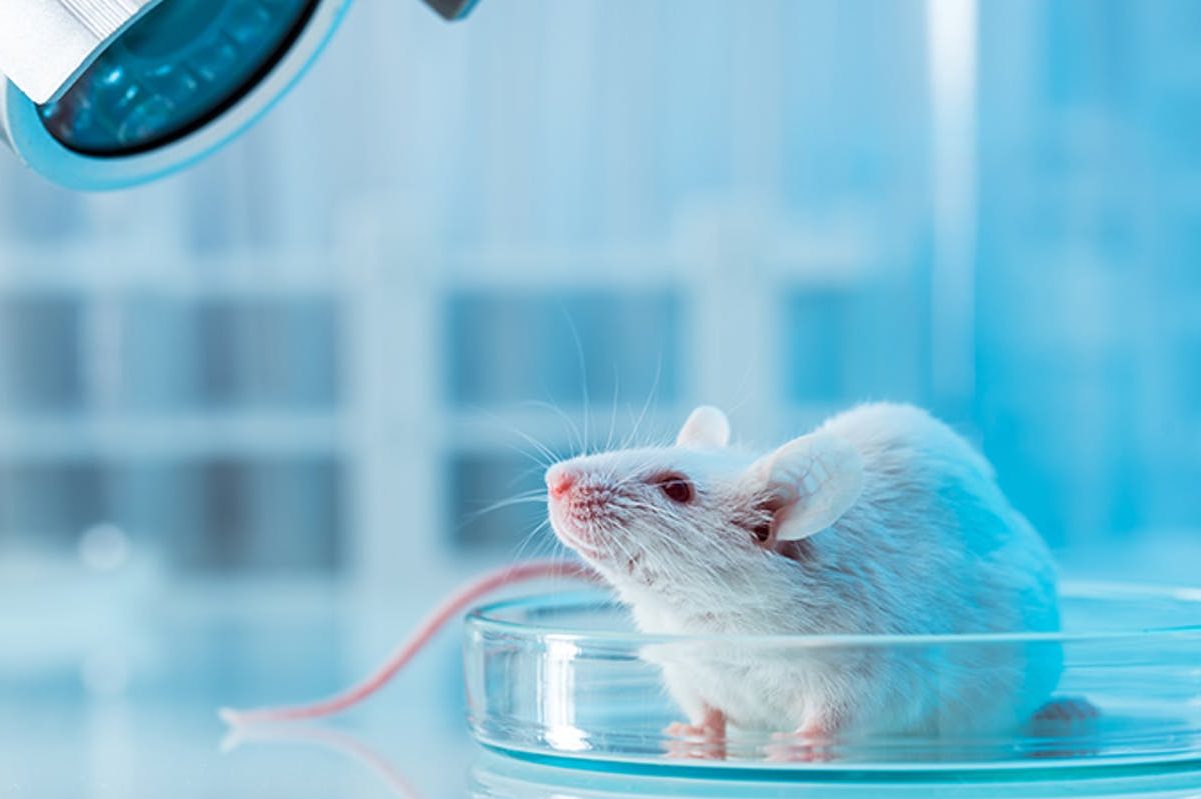
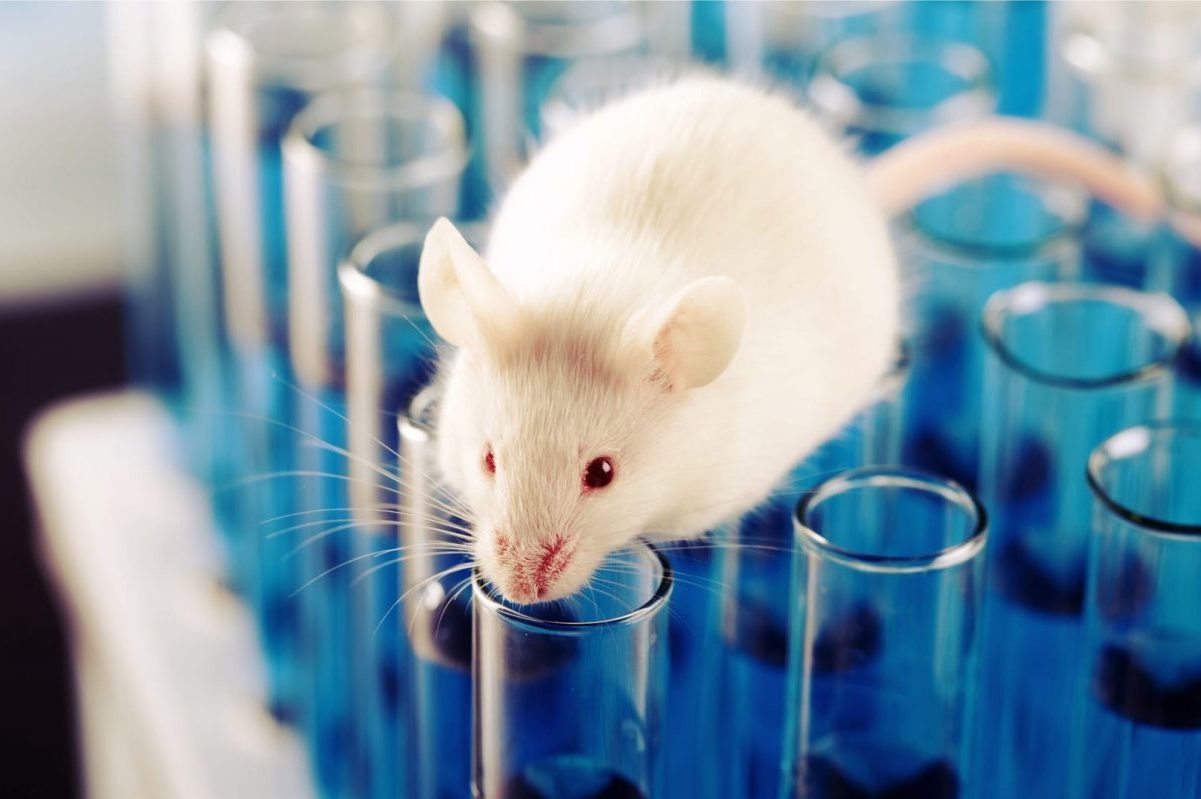
And finally, from St. Louis - According to a report published in the journal Science Translational Medicine, a Westernized diet may lead to obesity through microbes found in the gut. Researchers implanted human intestinal microbes into mice and changed the rodents food from a plant based, low fat diet to a diet high in both fats and sugars. Results showed that microbes linked with obesity were immediately found in the mice intestines after the change in diet, with the mice eventually becoming obese.   

 
OUR TEAM
More...  
EDITORIAL BOARD
More...