











Search News:
PROGRAMS
 
 
Protein duo has anti-aging effect

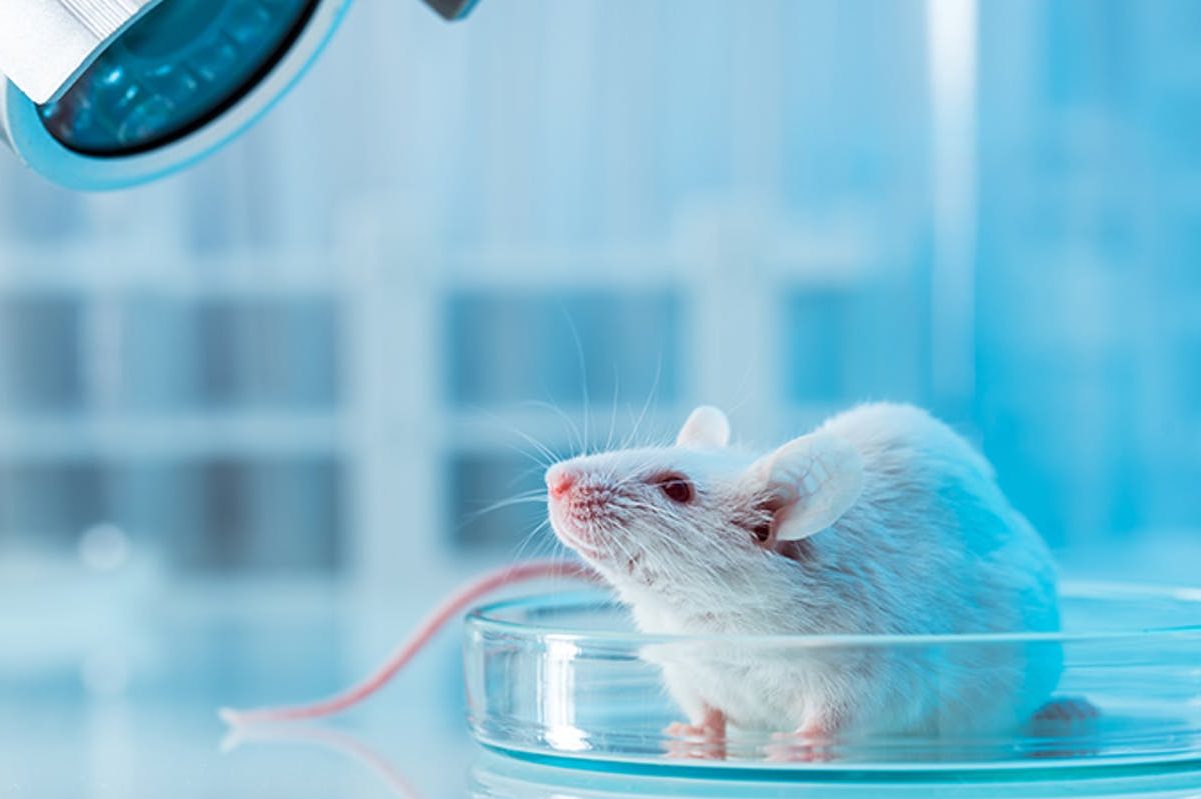
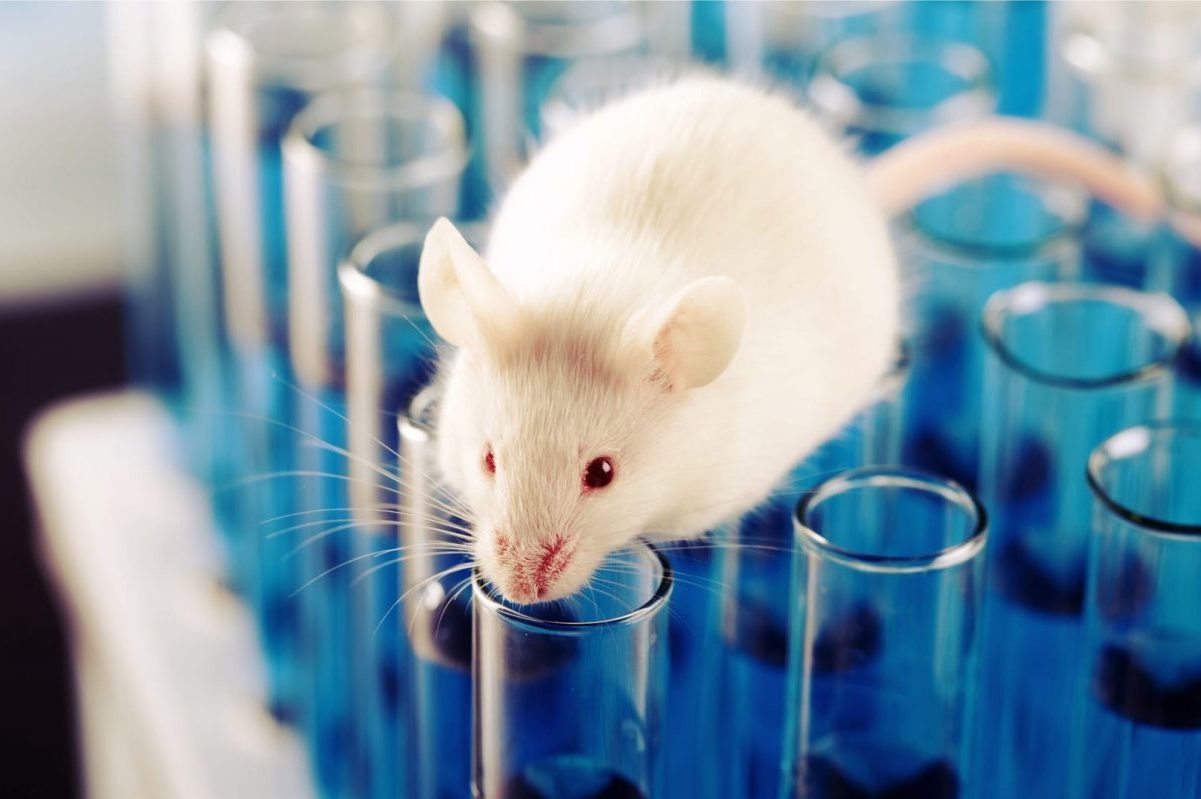
July 18, 2007 (Insidermedicine) A paper published in Nature reports that boosting the amount of two proteins in a mouse model of cancer not only suppresses the development of various cancers but also delays aging of the mice. Since the proteins have human counterparts, the research holds out the hope that similarly enhanced levels of the proteins could be protective and lead to a longer and healthier life in humans.

The proteins are known as tumor suppressor p53 and ARF. The latter protein is involved in regulating the production of p53. Researchers demonstrated that cancers were less likely to develop in mice that had been genetically tinkered with to make more of the two proteins than their genetically unaltered counterparts. 

In a remarkable result, the researchers also showed that these mice lived longer than their counterparts producing normal amounts of the two proteins. Measurements of various molecules whose production is related to age demonstrated that the mice retained their youthful vigor longer than is normally the case. 

The researchers speculate that the key to this fountain of youth may lie in an enhanced ability of the p53 protein to degrade molecules called free radicals that damage cells in the body. Less damage translates to longer living cells that stay youthful longer.

The latest results back up work done using an organism called C. elegans, a worm that is a useful model of various developmental processes in humans. The results of both studies support the idea that p53 can offer both, cancer resistance and longevity, and that defective p53 protein results in increased likelihood of cancer and more rapid aging. 

The researchers hope to better understand how p53 operates, so that its cancer fighting properties can be used to save human lifes.

Reporting for Insidermedicine, I’m Dr. Susan Sharma.

 
OUR TEAM
More...  
EDITORIAL BOARD
More...