











|
May 15, 2007 (Insidermedicine) Dieters who select a low-glycemic load diet my have more success at losing weight, than those following a low carbohydrate or low fat diet, say researchers in a report published in the Journal of the American Medical Association.
One-third of the population suffers from obesity, causing at least 300,000 excess deaths in the U.S. each year. Being overweight or obese increases the risk of many diseases and health conditions, including heart disease, diabetes, stroke, osteoarthritis, respiratory problems, and some cancers.
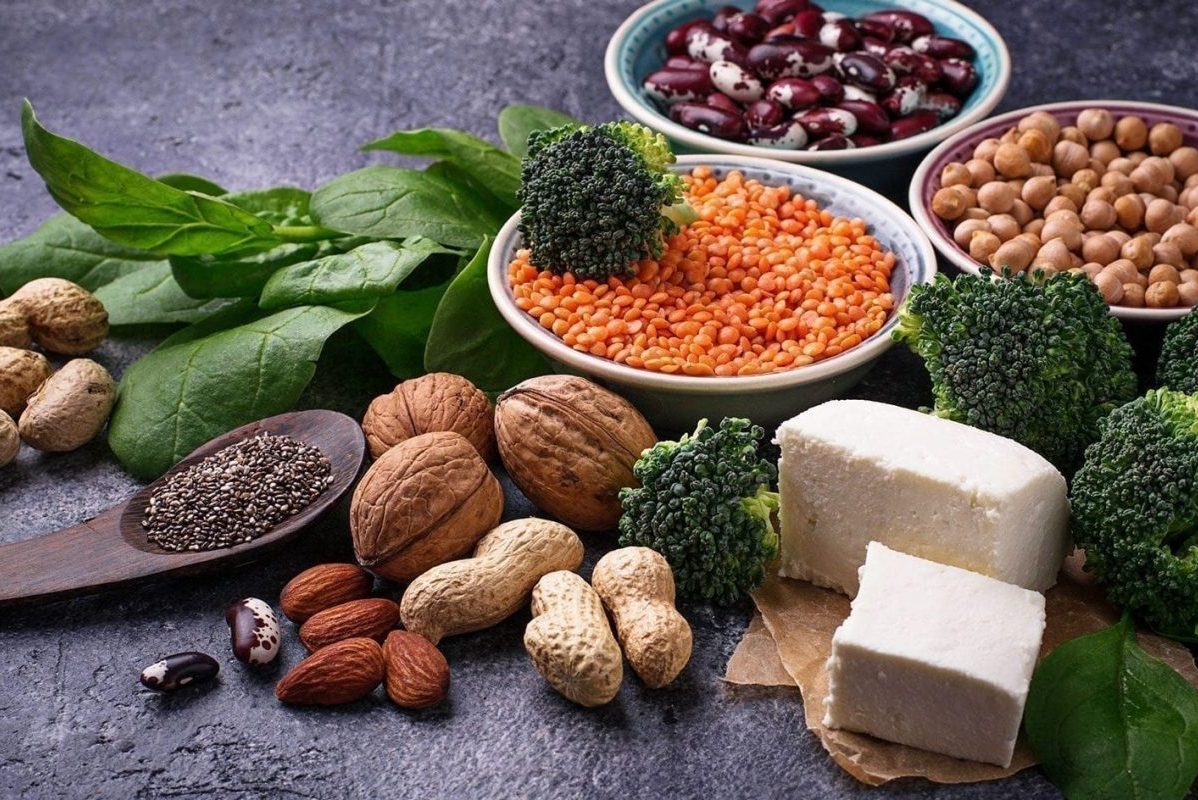
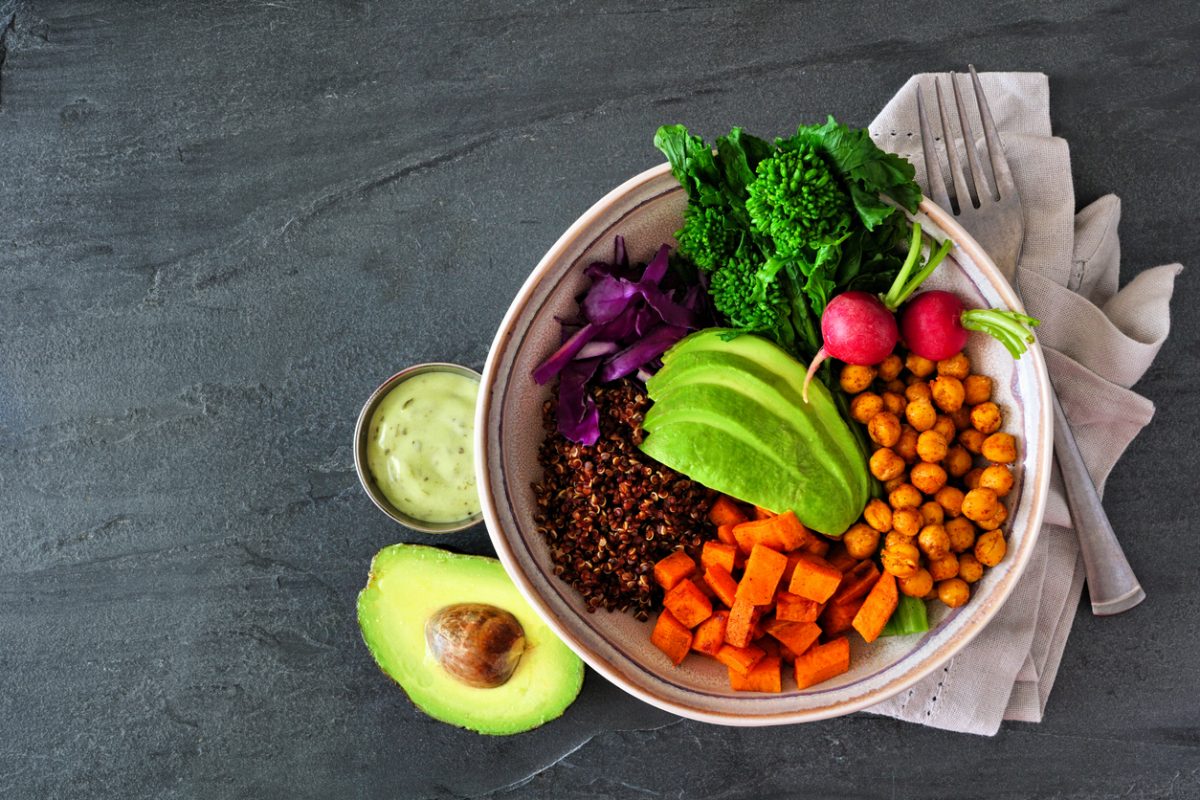
Three popular diets have recently received much attention – low fat, low carbohydrate, and low glycemic load. However, there is still no consensus on which diet yields the best results. Glycemic load refers to the increase in blood sugar that occurs following the consumption of a carbohydrate. Foods low on the glycemic index, such as certain fruits, nuts, and vegetables, release glucose gradually into the blood stream. Foods high on the glycemic index, such as breads and pasta, provoke an immediate response in the blood sugar levels and tend to result in increased hunger and overeating.
For six months, researchers studied more than 70 obese young adults following either a low-glycemic load diet or low-fat diet to determine whether insulin secretion affects weight loss and body fat loss. They were assessed at six, 12, and 18 months.
For people with tendency for high insulin levels 30 minutes after eating, the low-glycemic diet produced a five times greater decrease in weight than the low-fat diet at 18 months. The low-glycemic diet was also more effective in reducing body fat and improving cholesterol and trigyceride levels, while the low-fat diet improved low-density lipoprotein, or “bad” cholesterol.
Differences in insulin secretion among individuals may help predict the success of weight loss programs, and reducing glycemic load may be especially important for those who secrete insulin at a higher level.
Reporting for Insidermedicine, I’m Dr. Susan Sharma.
|